In the bustling kitchens of modern homes, non-stick cookware has become an indispensable ally, celebrated for its convenience and ease of cleaning. Yet, for all its popularity, a silent misunderstanding persists—a belief that these pans are nearly indestructible and immune to the nuances of cooking rituals.
The reality is far more delicate. The secret to preserving the slick, effortless surface of your favorite skillet lies not in aggressive scrubbing or expensive replacements, but in a profoundly simple, often overlooked principle: starting with a cold pan and cold oil. This method, seemingly counterintuitive to the sizzle and drama of cooking, is the unsung hero in the narrative of cookware longevity.
To appreciate why this technique is so crucial, one must first understand the enemy: heat. Excessive or sudden heat is the primary antagonist in the life of a non-stick pan. The coating, typically made from polytetrafluoroethylene (PTFE), commonly known by the brand name Teflon, is a marvel of chemical engineering. It creates a remarkably slick barrier between food and metal. However, this coating has a critical weakness—it is highly sensitive to thermal shock. When a empty pan is placed on a high flame, its temperature can skyrocket alarmingly fast, far exceeding the recommended safe zone, which is often around 500°F (260°C). At these extreme temperatures, the polymer structure of the coating begins to break down, deteriorate, and can even release fumes hazardous to pet birds and potentially irritating to humans. This degradation is the fast track to a pan that sticks, scratches easily, and loses its non-stick magic long before its time.
This is where the cold start method emerges as the definitive strategy for preservation. The logic is elegant in its simplicity. By placing your food or, crucially, your oil, into the pan before applying heat, you create a gentle buffer. You are not attacking the delicate coating with a sudden blast of energy. Instead, you are allowing the entire system—the pan, the oil, and the food—to warm up together in a synchronized, gradual ascent. The oil acts as a medium, evenly distributing the rising thermal energy and preventing any single spot on the pan's surface from becoming a scorching hot spot. This controlled, gentle warming is akin to a slow, steady sunrise rather than flipping on a blinding high-wattage bulb. It ensures the pan's temperature remains within a safe, effective range throughout the cooking process.
The benefits of this patient approach are multifaceted and profound. The most obvious is the dramatic extension of your pan's functional life. By avoiding thermal shock, the microscopic structure of the non-stick coating remains intact. This means it won't blister, peel, or lose its slipperiness prematurely. You won't find yourself staring at eggs stubbornly cemented to the surface mere months after purchase. Furthermore, this method promotes superior cooking results. Ingredients like delicate fish fillets, fragile crepes, or perfectly sunny-side-up eggs require a gentle and even heat to cook through without burning or tearing. A pan that heats evenly from edge to center, as facilitated by the cold start, is the ultimate tool for achieving culinary perfection. It gives you control, allowing you to guide the cooking process rather than react to the aggressive behavior of an overheated pan.
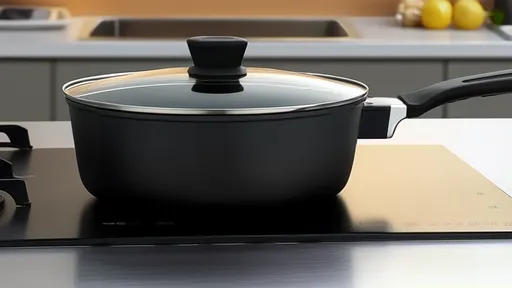
Implementing this ritual is wonderfully straightforward, requiring only a slight shift in habit. Begin by placing your clean, dry non-stick pan on the cool burner. Add your chosen cooking fat—a light coating of oil, a pat of butter, or a drizzle of avocado oil. There is no need to drench the surface; a thin, even layer is sufficient. Only then should you turn the burner on to your desired temperature, typically low or medium heat. Resist the archaic urge to wait for the oil to shimmer or smoke, a signifier of high heat suited for searing in stainless steel but destructive for non-stick. For most tasks, your food can go into the pan alongside the cold oil. As the pan gradually warms, you will notice the oil thinning and eventually beginning to gently shimmer, signaling it's ready. This entire process might add a mere sixty seconds to your prep time, an insignificant investment for the years of service it returns.
Adopting the cold start method is the cornerstone of a broader philosophy of mindful cookware care. It should be complemented by other gentle practices: using soft utensils like silicone, wood, or nylon to avoid scratching; cleaning with non-abrasive sponges and mild soap; and storing carefully to prevent stacking that can cause abrasions. This holistic approach transforms your relationship with your tools from one of consumption to one of stewardship. Your pan is no longer a disposable commodity but a trusted partner in your daily culinary creations.
In a world that often prioritizes speed and immediacy, the cold pan, cold oil technique is a quiet testament to the power of patience and precision. It is a small, deliberate action that stands in defiance of wastefulness, ensuring that a well-made pan remains a centerpiece of your kitchen for a decade, not a single season. It is the ultimate kitchen hack, not because it is clever, but because it is fundamentally respectful of the engineering and purpose of the tool itself. By embracing this simple first step, you are not just cooking; you are preserving, honoring, and ultimately, mastering the art of the non-stick pan.
In the ever-evolving world of culinary arts, the quest for the perfect salad dressing remains a constant pursuit for health enthusiasts and gourmands alike.
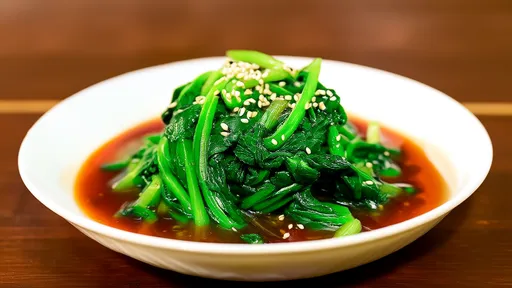
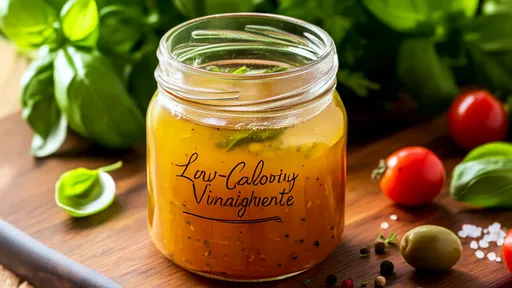
Amidst a sea of creamy, calorie-laden options, a simple yet brilliant combination has emerged as a game-changer: a low-calorie vinaigrette crafted from fresh lemon juice and light soy sauce. This dynamic duo not only promises a burst of flavor but also aligns seamlessly with modern dietary preferences that prioritize wellness without sacrificing taste. The marriage of these two humble ingredients creates a dressing that is both refreshing and deeply savory, proving that sometimes, the most extraordinary creations stem from the simplest of components.
The foundation of this exceptional dressing lies in its primary ingredient: lemon juice. Freshly squeezed lemon juice is far more than a mere acidic component; it is a vibrant elixir that brings a bright, zesty character to any dish it graces. Rich in vitamin C and antioxidants, lemon juice offers a tangy sharpness that can cut through the richness of other elements, providing a clean, invigorating finish. Its natural acidity helps to enhance the flavors of fresh vegetables, making each bite of salad more pronounced and enjoyable. Moreover, lemon juice acts as a natural preservative and tenderizer, which can subtly alter the texture of leafy greens, giving them a slight crispness that is remarkably pleasing to the palate.
Complementing the citrusy punch of lemon juice is light soy sauce, specifically the thin or low-sodium variety known for its delicate salinity and umami depth. Unlike its darker, thicker counterparts, light soy sauce contributes a subtle saltiness that does not overpower the other ingredients. Instead, it introduces a complex, savory note that harmonizes beautifully with the acidity of the lemon. This combination creates a multifaceted flavor profile that is both sophisticated and accessible. The umami quality of the soy sauce adds a layer of richness that makes the dressing satisfying, even though it is remarkably low in calories, thus fulfilling the desire for depth without the guilt associated with heavier dressings.
When these two elements are whisked together, they form a dressing that is incredibly versatile. It can be drizzled over a classic garden salad, used as a marinade for grilled vegetables or proteins, or even employed as a dipping sauce for spring rolls and other appetizers. The balance between the sharp, clean notes of lemon and the mellow, savory tones of soy sauce ensures that it pairs well with a wide array of ingredients, from crisp romaine and peppery arugula to sweet cherry tomatoes and creamy avocados. This adaptability makes it a staple in any kitchen, capable of elevating everyday meals into something special with minimal effort.
Beyond its culinary versatility, this lemon and light soy sauce vinaigrette stands out for its health benefits. Traditional salad dressings often rely on oils, sugars, and artificial additives to achieve their flavor, resulting in a high calorie count that can undermine the nutritional value of a salad. In contrast, this recipe minimizes or eliminates oil, relying instead on the natural liquids of lemon and soy to carry the flavor. The result is a dressing that is exceptionally low in calories and fat, yet still packed with taste. It supports weight management goals, promotes heart health by reducing sodium intake when using low-sodium soy sauce, and provides a dose of antioxidants from the lemon, making it as nourishing as it is delicious.
Preparing this dressing is an exercise in simplicity and efficiency. There is no need for complicated equipment or hard-to-find ingredients; just fresh lemons and a bottle of light soy sauce are required. The process involves nothing more than juicing the lemons, measuring out the soy sauce, and whisking them together until well combined. For those who prefer a slightly emulsified texture, a small amount of olive oil or sesame oil can be added, but it is entirely optional. The dressing can be made in bulk and stored in the refrigerator for several days, allowing for quick and convenient access whenever a salad is on the menu. This ease of preparation encourages home cooks to experiment with their own variations, perhaps adding a hint of garlic, ginger, or a touch of honey for sweetness.
The cultural resonance of this dressing is also worth noting. It draws inspiration from East Asian culinary traditions, where the use of soy sauce as a seasoning is prevalent, and combines it with the universal appeal of citrus. This fusion approach reflects a growing trend in global cuisine, where boundaries are blurred, and ingredients from different parts of the world are harmonized to create new, exciting flavors. It is a testament to how culinary innovation can arise from the cross-pollination of ideas, resulting in creations that are both familiar and novel. This dressing, therefore, is not just a recipe but a symbol of how food can bridge cultures and bring people together.
In conclusion, the low-calorie vinaigrette made from lemon juice and light soy sauce is more than just a salad dressing; it is a celebration of simplicity, health, and flavor. Its ability to transform a basic salad into a gourmet experience with minimal ingredients and effort makes it a valuable addition to any cook’s repertoire. As more people seek out ways to enjoy delicious food without compromising their health, this dressing stands as a shining example of how intelligent ingredient choices can lead to extraordinary results. It proves that in the realm of food, less can indeed be more, and that the best flavors often come from the purest sources.
By /Aug 20, 2025

By /Aug 20, 2025
By /Aug 20, 2025
By /Aug 20, 2025
By /Aug 20, 2025
By /Aug 20, 2025
By /Aug 20, 2025
By /Aug 20, 2025
