As the crisp autumn air settles in and leaves begin their vibrant transformation, the ancient Chinese solar term of Hanlu arrives, marking a pivotal transition in the seasonal cycle. Known as the "Cold Dew," this period around early to mid-October signals a definitive shift from the mild temperatures of early autumn to the sharper chill that precedes winter.
Beyond its poetic significance in the agricultural calendar, Hanlu carries profound implications for human health, particularly concerning the delicate systems of the cardiovascular network and respiratory pathways.
The very essence of Hanlu – the descent of cold, dew-kissed mornings – creates an environment where the human body must work harder to maintain its internal equilibrium. Traditional Chinese Medicine has long observed that during this transitional phase, the body's defensive energy, known as Wei Qi, becomes more vulnerable to external climatic pathogens, namely wind and cold. Modern medicine echoes this wisdom, noting that the physiological stress induced by sudden temperature drops can have a cascading effect on our most vital functions.
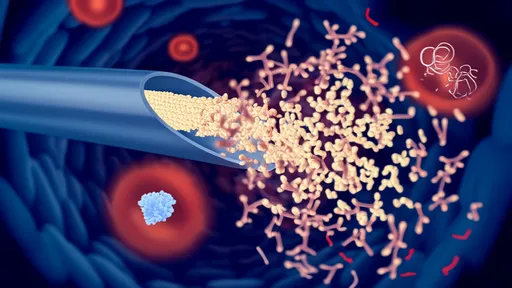
For the vast network of arteries, veins, and the tirelessly beating heart, the arrival of Hanlu is a call to heightened vigilance. When the mercury plunges, the body instinctively constricts its peripheral blood vessels, a process known as vasoconstriction. This is a natural, protective mechanism to reduce heat loss and preserve core body temperature. However, this same process increases the pressure within the circulatory system, forcing the heart to pump against greater resistance. For individuals with pre-existing conditions like hypertension or atherosclerosis, this added strain can be the proverbial straw that breaks the camel's back, potentially triggering hypertensive crises, angina, or even acute cardiovascular events like heart attacks and strokes.
The risk is further compounded by the body's complex hormonal response to cold. The secretion of catecholamines, such as adrenaline, increases, which in turn elevates heart rate and blood pressure. Furthermore, some studies suggest that blood itself may become slightly thicker and more prone to clotting in colder weather. This dangerous trifecta – increased blood pressure, a faster heart rate, and hypercoagulable blood – creates a perfect storm for thrombotic events. It is no statistical coincidence that hospitals often report a significant uptick in admissions for myocardial infarctions and cerebrovascular accidents during the late autumn and winter months.
Simultaneously, the respiratory system, our direct interface with the environment, faces its own set of challenges during the Cold Dew period. The air during Hanlu is not only colder but often drier. As we inhale, our nasal passages and airways are tasked with warming and humidifying this air before it reaches the sensitive tissues of the lungs. Cold, dry air is an irritant; it can cause the airways to constrict and can dry out the protective mucous membranes that line our respiratory tract. This drying effect impairs the cilia – microscopic hair-like structures that sweep debris and pathogens out of the lungs – making the entire system more susceptible to invasion.
This vulnerability is a welcome mat for a host of respiratory ailments. The common cold and influenza viruses find a more hospitable environment in a compromised respiratory tract. For the millions living with chronic respiratory conditions like asthma or Chronic Obstructive Pulmonary Disease (COPD), the cold air can act as a direct trigger for bronchospasm, leading to wheezing, shortness of breath, and debilitating exacerbations. The tendency for people to congregate indoors in poorly ventilated spaces as the weather turns colder only facilitates the rapid transmission of these airborne viruses, creating a cyclical problem of exposure and infection.
What makes Hanlu particularly insidious is the intricate interplay between these two bodily systems. A severe respiratory infection, such as pneumonia or a bad bout of the flu, places immense stress on the entire body. The fever, inflammation, and physiological effort required to fight the infection significantly increase the metabolic demand on the heart. For an already strained cardiovascular system, this additional burden can be enough to precipitate a cardiac event. This is why we often hear of elderly individuals, whose systems are more fragile, succumbing to heart complications in the wake of a serious respiratory illness.
Navigating the Hanlu season safely, therefore, requires a proactive and holistic strategy. The first and most fundamental line of defense is appropriate attire. The old adage of "layering" has never been more relevant. Dressing in multiple thin layers allows for better temperature regulation than a single heavy garment. It is crucial to keep the core body warm, with special attention to the neck, chest, and feet, as cooling in these areas can lead to rapid overall heat loss. A warm scarf can make a substantial difference in preventing the inhalation of sharply cold air directly into the lungs.
Diet also plays a paramount role in fortifying the body from within. This is the time to shift away from the cooling, raw foods of summer and embrace warming, nourishing meals. Think hearty soups and stews rich with root vegetables, lean proteins, and whole grains. Incorporating ingredients like ginger, garlic, and spring onions can provide natural warmth and possess antimicrobial properties. Staying well-hydrated is equally important, as it helps maintain the moisture in respiratory mucous membranes and supports optimal blood viscosity.
Moderate physical activity remains a cornerstone of health, but its practice must be adapted to the season. Strenuous outdoor exercise in the very early morning or late evening, when temperatures are at their lowest, should be reconsidered. Opt for activities during the warmer parts of the day, or move your routine indoors. Gentle exercises like Tai Chi or Qigong, deeply rooted in Chinese tradition, are exceptionally well-suited for this time of year, promoting circulation and lung capacity without overtaxing the body.
For those with known heart or lung conditions, Hanlu is a time for renewed diligence in managing their health. Adherence to prescribed medications is non-negotiable. Regular monitoring of blood pressure is advisable, and it is essential to have a clear action plan in place, developed with a healthcare provider, for what to do in case symptoms worsen. Vaccination is another critical shield; the annual influenza shot and, for eligible individuals, the pneumococcal and updated COVID-19 vaccines, are among the most effective tools for preventing severe respiratory infections and their subsequent complications.
Finally, we must not neglect the environment we inhabit. As we seal our homes against the cold, indoor air quality can deteriorate. Using a humidifier can reintroduce moisture into dry indoor air, providing relief to the respiratory system. However, vigilance against mold is also necessary, as dampness in other areas of the home can become a problem. Ensuring adequate ventilation, even for short periods during the day, is vital to dispel stagnant air and reduce the concentration of indoor pollutants and viruses.
The Hanlu season, with its delicate balance of beauty and challenge, serves as an annual reminder of our intrinsic connection to the natural world. By understanding the specific risks it presents to our cardiovascular and respiratory health and by adopting a mindful, preventative approach, we can not only safeguard our well-being but also learn to appreciate the profound wisdom embedded in these ancient seasonal markers. It is a time to slow down, to nurture the body with warmth and care, and to build the resilience needed to navigate the colder months ahead with vitality and strength.
In kitchens around the world, a quiet revolution is taking place. More and more home cooks and professional chefs are turning away from the familiar shaker of monosodium glutamate and reaching instead for something simpler, purer, and far more flavorful.
The quest for umami, that deeply savory fifth taste, is leading them back to nature's own pantry, and one ingredient, in particular, is rising to the occasion: the humble mushroom.
For decades, the food industry has relied heavily on processed salt and artificial flavor enhancers like MSG to make food taste good. These additives are effective, there's no denying that. A pinch of MSG can make a bland soup sing and elevate a simple stir-fry to new heights. But this convenience comes at a cost to our health. Excessive sodium intake is a well-documented contributor to hypertension, heart disease, and stroke. While MSG itself has been largely exonerated from causing the headaches and other symptoms once attributed to it—a condition erroneously dubbed "Chinese Restaurant Syndrome"—it remains a highly processed product that many conscious consumers wish to avoid. The desire for cleaner labels and more wholesome ingredients is fueling a search for a natural alternative that delivers on taste without the potential downsides.
Enter the mighty mushroom. This isn't about finding a one-to-one chemical replica for MSG; it's about harnessing the power of nature's own biochemistry. Mushrooms, especially varieties like shiitake, porcini, and morel, are veritable powerhouses of umami. This rich, savory flavor comes primarily from high concentrations of naturally occurring glutamates and nucleotides. When these compounds are concentrated, typically through a process of drying and grinding, the result is a potent powder that acts as a flavor bomb. It doesn't just add saltiness; it amplifies and deepens the existing flavors in a dish, creating a more complex and satisfying taste profile that processed additives simply cannot match.
The beauty of creating your own mushroom powder lies in its stunning simplicity. The process requires minimal equipment—essentially a baking sheet, a blender or spice grinder, and an airtight container for storage. The first step is selecting your mushrooms. While shiitake are the most popular choice due to their intense umami character and wide availability, don't be afraid to experiment. A blend of shiitake for depth, porcini for earthy richness, and even a few dried morels for a touch of luxury can create a custom powder that is uniquely yours. The key is to ensure they are thoroughly dried. This can be achieved slowly in a low oven or, even better, in a food dehydrator, which preserves more of the delicate flavors and nutrients.
Once your mushrooms are completely desiccated and brittle to the touch, the transformation begins. Breaking them into small pieces and giving them a whirl in a high-powered grinder reduces them to a fine, aromatic dust. The aroma that erupts from the grinder is the first sign of magic—an intense, earthy, and profoundly savory scent that promises great things for your cooking. The texture should be as fine as store-bought powdered sugar to ensure it dissolves seamlessly into sauces, soups, and marinades. For an even more versatile seasoning, consider adding other umami-rich or complementary ingredients to the grind. A small piece of dried kombu seaweed can boost the glutamate content even further, while a sprinkle of nutritional yeast can add a cheesy, nutty dimension.
So, what can you do with this homemade treasure? The applications are nearly endless, limited only by your culinary imagination. It is the secret weapon for vegetarian and vegan cooking, instantly adding a meaty depth to vegetable broths, gravies, and plant-based burger patties that might otherwise taste flat. A spoonful stirred into a simmering pot of chili or stew will round out the flavors, making them seem like they've been cooking for hours. It's a fantastic dry rub for meats, tofu, and roasted vegetables, creating a beautiful, caramelized crust packed with flavor. You can even mix it into dough for savory breads or whisk it into salad dressings for an extra punch. It’s a multiplier, making good food taste exceptional.
Beyond the immediate gratification of incredible flavor, the shift to a natural alternative like mushroom powder is an investment in long-term well-being. By significantly reducing your reliance on table salt, you take direct control over your sodium intake. This is a powerful preventative health measure. Furthermore, you are incorporating the inherent nutritional benefits of mushrooms into your daily diet. Mushrooms are a source of B vitamins, selenium, potassium, and are one of the few non-animal sources of vitamin D, especially if they have been dried in sunlight. You're not just avoiding a processed ingredient; you're actively adding a functional, health-supporting whole food to your meals.
The movement towards real, whole foods is more than a passing trend; it's a fundamental rethinking of our relationship with what we eat. Making your own mushroom powder is a small but profoundly impactful act within this movement. It reconnects you to the ingredients, demystifies the process of creating deep flavor, and empowers you to nourish yourself and your family without compromise. It proves that the most powerful tools in the kitchen are often the simplest and most ancient. In that jar of earthy, homemade powder, you hold the essence of umami, the promise of healthier cooking, and the pure, unadulterated taste of the forest itself.

By /Oct 14, 2025

By /Oct 14, 2025

By /Oct 14, 2025

By /Oct 13, 2025

By /Oct 14, 2025

By /Oct 14, 2025

By David Anderson/Oct 13, 2025
By /Oct 13, 2025
