In the intricate tapestry of modern health challenges, two seemingly distinct threads—high salt consumption and obesity—have emerged as dominant patterns in the development of hypertension. This silent epidemic of elevated blood pressure affects millions globally, yet its primary drivers remain deeply embedded in our daily lifestyles.
The relationship between what we eat, how much we weigh, and the pressure coursing through our arteries is more profound than many realize, creating a perfect storm of cardiovascular risk that begins at the dinner table and manifests in doctor's offices years later.
The human body's relationship with salt is ancient and complex. Sodium chloride, common table salt, plays crucial roles in nerve function, muscle contraction, and fluid balance. Our ancestors evolved in environments where salt was scarce, developing sophisticated biological mechanisms to conserve this precious mineral. Today, however, we inhabit a nutritional landscape where salt is not only abundant but deliberately added to nearly every processed food we consume. This dramatic shift from scarcity to excess has created a physiological mismatch that our bodies struggle to manage.
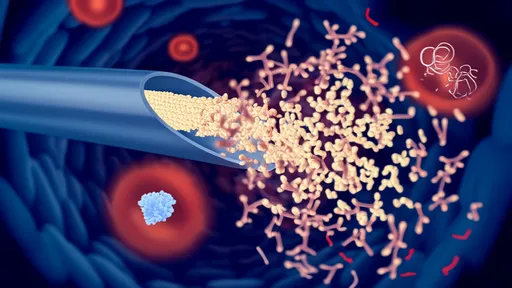
When we consistently consume more salt than our bodies require, a cascade of physiological responses unfolds. The kidneys, tasked with maintaining sodium balance, work overtime to excrete the excess. However, this process isn't always efficient, particularly when salt intake remains persistently high. The body retains water to dilute the sodium concentration in the bloodstream, increasing the total volume of blood circulating through our vessels. Think of it as trying to force the same amount of water through a garden hose while simultaneously increasing the water pressure—the walls of the hose endure greater stress. Similarly, our blood vessels experience increased pressure with this expanded blood volume.
Beyond simple fluid retention, chronic high salt intake triggers more insidious changes at the cellular level. The delicate endothelial lining of our blood vessels becomes compromised, reducing their ability to relax and contract properly. Sodium directly affects smooth muscle cells in arterial walls, making them more responsive to substances that cause constriction. Furthermore, high salt consumption can disrupt the balance of hormones that regulate blood pressure, including the renin-angiotensin-aldosterone system, creating a self-perpetuating cycle of hypertension that becomes increasingly difficult to reverse over time.
While the salt-hypertension connection has been widely discussed, the obesity component presents an equally compelling story of metabolic disruption. Excess body weight, particularly abdominal obesity, represents far more than just stored energy—it functions as an active endocrine organ, secreting numerous substances that directly impact cardiovascular health. Adipose tissue, especially the visceral fat surrounding our organs, produces inflammatory cytokines, free fatty acids, and other molecules that create a state of chronic, low-grade inflammation throughout the body.
This inflammatory environment has direct consequences for blood pressure regulation. Inflammatory substances make blood vessels less responsive to signals for relaxation while simultaneously increasing their stiffness. The kidneys, crucial regulators of blood pressure, become affected by both the mechanical pressure of surrounding fat and the inflammatory signals circulating in the bloodstream. Obesity often leads to insulin resistance, which further exacerbates hypertension through multiple pathways, including increased sodium retention and activation of the sympathetic nervous system.
The intersection of high salt intake and obesity creates a particularly dangerous synergy. Research indicates that individuals with obesity may be more salt-sensitive, meaning their blood pressure responds more dramatically to salt consumption than their leaner counterparts. The mechanisms behind this increased sensitivity are multifaceted, involving alterations in kidney function, hormonal regulation, and the mechanical effects of excess body fat on renal function. When these two risk factors coexist, they don't merely add their individual effects—they multiply them, creating a cardiovascular risk profile far greater than either factor alone.
Consider the physiological burden placed on the heart in this scenario. The heart must work harder to pump blood through constricted vessels in someone with salt-sensitive hypertension while simultaneously circulating blood through miles of additional capillaries required to supply oxygen to excess body tissue. This double burden leads to structural changes in the heart itself, including thickening of the ventricular walls—a condition known as left ventricular hypertrophy that significantly increases the risk of heart failure and sudden cardiac death.
The modern food environment has created the perfect conditions for this dangerous pairing to flourish. Processed foods, restaurant meals, and even seemingly healthy packaged items often contain astonishing amounts of hidden sodium while being calorie-dense and nutritionally poor. These foods promote weight gain while delivering excessive salt, effectively delivering a one-two punch to cardiovascular health. The combination of high salt content, appealing flavors, and low satiety makes these foods particularly problematic, encouraging overconsumption while directly contributing to hypertension development.
Breaking this cycle requires understanding that these are not separate issues but interconnected components of a larger metabolic picture. Reducing salt intake cannot be viewed in isolation from overall dietary patterns that promote healthy weight maintenance. Similarly, weight management strategies must consider not just calorie balance but the quality of foods consumed, including their sodium content. The most effective approaches address both concerns simultaneously, recognizing that they represent two sides of the same cardiovascular health coin.
Public health initiatives have struggled to effectively communicate this interconnected risk. Salt reduction campaigns often focus narrowly on removing the salt shaker from tables or encouraging food manufacturers to gradually reduce sodium content. While valuable, these efforts frequently fail to connect salt reduction with broader nutritional improvements that address obesity. Likewise, obesity prevention programs may emphasize calorie counting or increased physical activity without adequately addressing the quality of calories consumed, including their sodium load.
Emerging research continues to reveal new dimensions of this relationship. Studies investigating the gut microbiome suggest that the bacteria living in our digestive systems may influence how our bodies process salt and regulate blood pressure. Certain microbial profiles appear to either protect against or predispose individuals to salt-sensitive hypertension. Obesity, known to alter gut microbiota composition, may therefore influence blood pressure regulation through this additional pathway. These findings highlight the complex, multilayered nature of the connection between diet, weight, and cardiovascular health.
For individuals already living with hypertension, understanding this salt-obesity synergy offers powerful opportunities for intervention. Rather than focusing on single solutions, comprehensive lifestyle modifications that address both weight management and sodium intake often yield the most significant benefits. Dietary patterns such as the DASH (Dietary Approaches to Stop Hypertension) diet successfully integrate these principles, emphasizing whole foods naturally low in sodium while promoting healthy weight through balanced nutrition.
The timeline for seeing improvements underscores the importance of consistent, long-term commitment to lifestyle changes. While reducing salt intake can produce measurable blood pressure reductions within weeks, the full benefits of weight loss on cardiovascular health may take months to fully manifest. However, the combined effect of addressing both factors simultaneously often produces results greater than either approach alone, sometimes reducing or eliminating the need for medication in individuals with mild to moderate hypertension.
Looking forward, the convergence of high salt diets and obesity as primary hypertension risk factors presents both a challenge and an opportunity for healthcare systems worldwide. The economic burden of hypertension-related complications—including heart attacks, strokes, and kidney failure—represents a significant portion of healthcare spending in many countries. Preventive strategies that effectively address these root causes could potentially save billions in healthcare costs while dramatically improving quality of life for millions.
Ultimately, the story of salt, weight, and blood pressure is a narrative about the profound impact of daily choices on long-term health. Each meal represents an opportunity to either contribute to or protect against the development of hypertension. As research continues to illuminate the intricate connections between our diets, our bodies, and our cardiovascular systems, the wisdom of approaches that address multiple risk factors simultaneously becomes increasingly clear. The path to better blood pressure control may begin with something as simple as passing on the salt shaker and choosing an apple over processed snacks, but these small decisions collectively shape our cardiovascular destiny.
In a groundbreaking fusion of artificial intelligence and planetary science, researchers have unveiled a revolutionary approach to monitoring Earth's health through the lens of large language models.
This ambitious project, spanning multiple international research institutions, has developed a comprehensive framework that analyzes 48,000 distinct variables to construct what scientists are calling the most complete portrait of planetary wellbeing ever attempted.
The initiative represents a paradigm shift in how we understand and measure global ecological stability. Rather than focusing on isolated environmental indicators, the system employs sophisticated AI algorithms to detect subtle patterns and interconnections across atmospheric, oceanic, terrestrial, and biological systems. What emerges is not merely a collection of data points but a living, breathing diagnosis of our planet's condition, complete with early warning systems for potential environmental crises.
At the heart of this endeavor lies the unprecedented computational power of modern large language models, which have been retrained to understand the complex language of Earth systems. These models process information ranging from satellite imagery and ocean temperature readings to wildlife migration patterns and atmospheric chemistry, identifying relationships that have previously eluded human researchers. The system continuously updates its assessment, creating what amounts to a real-time vital signs monitor for the entire planet.
The selection of 48,000 variables was neither arbitrary nor exhaustive but represented the culmination of decades of environmental research. Scientists identified key indicators across eight primary domains: atmospheric composition, climate patterns, ocean health, biodiversity, land use, freshwater systems, polar regions, and human impact factors. Each domain contains thousands of interconnected measurements that together paint a multidimensional picture of planetary health.
What makes this approach particularly powerful is its ability to detect emergent properties – complex behaviors and conditions that arise from the interaction of simpler components. Traditional monitoring systems might track deforestation rates in the Amazon or coral bleaching in the Great Barrier Reef as separate phenomena. This new framework can identify how these events influence global weather patterns, carbon cycles, and even socioeconomic stability in distant regions.
The development team faced significant challenges in creating a unified language to describe planetary health. Earth systems operate across vastly different timescales and spatial dimensions, from the rapid mutation of viruses to the slow drift of continental plates. The solution emerged through what researchers call "temporal scaffolding" – a method that allows the AI to understand relationships between processes that unfold over seconds and those that span millennia.
Early applications of the system have already yielded surprising insights. The model identified previously unrecognized feedback loops between urban heat islands in rapidly developing Asian cities and precipitation patterns in North American agricultural regions. It also detected subtle shifts in deep ocean currents that appear to be influencing the frequency of extreme weather events with greater accuracy than conventional climate models.
Perhaps most remarkably, the system has demonstrated an uncanny ability to predict environmental tipping points – those critical thresholds beyond which ecosystems may undergo rapid and often irreversible change. By analyzing the complex interplay between the 48,000 variables, the AI can identify when multiple systems are approaching their limits simultaneously, providing policymakers with crucial advance warning.
The ethical dimensions of such comprehensive planetary monitoring have sparked intense discussion within the scientific community. Some researchers express concerns about the potential for such systems to be used for geopolitical advantage or to justify controversial interventions in natural systems. The development consortium has established strict governance protocols, including international oversight committees and transparent reporting requirements.
Implementation challenges remain substantial. Many of the 48,000 variables require specialized monitoring equipment deployed across the globe, from deep-sea sensors to high-altitude atmospheric samplers. Maintaining this vast observational network demands unprecedented international cooperation and significant financial investment. However, proponents argue that the cost pales in comparison to the potential economic impact of unanticipated environmental catastrophes.
Looking forward, researchers envision the system evolving into a planetary early warning network that could help humanity navigate the complex environmental challenges of the coming century. The ultimate goal is not merely to document Earth's decline but to identify pathways toward recovery and resilience. The system's architects hope it will empower smarter policy decisions, more targeted conservation efforts, and more effective international environmental agreements.
As climate change accelerates and biodiversity loss continues at alarming rates, the need for comprehensive planetary health monitoring has never been more urgent. This AI-driven approach represents a quantum leap in our ability to understand the complex system we call home. While the technology continues to mature, its initial successes suggest we may be entering a new era of environmental awareness – one where we can finally see the forest, the trees, and every intricate connection between them.
The project stands as a testament to human ingenuity and our growing capacity to address global challenges through technological innovation. By harnessing the pattern-recognition capabilities of large language models and applying them to the ultimate complex system, researchers have created what may become an indispensable tool for planetary stewardship in the Anthropocene epoch.
By /Oct 13, 2025

By /Oct 14, 2025

By /Oct 13, 2025

By /Oct 14, 2025

By /Oct 14, 2025

By /Oct 14, 2025

By /Oct 13, 2025

By /Oct 14, 2025
