In the quiet hum of a well-used kitchen, the gleam of a well-kept knife is a testament to a cook's respect for their craft. It’s a small, daily ritual that separates the fleeting from the forever—a blade that stays sharp, stays bright, and refuses to succumb to the creeping orange blush of neglect.
Among the most sacred of these rituals is the immediate and thorough drying of a blade after it has encountered acidic ingredients. This isn't merely a suggestion from a manual; it is the cornerstone of preserving a tool's soul and edge.
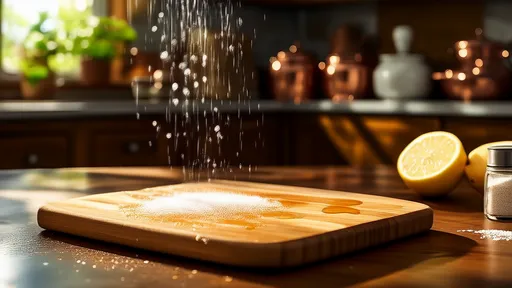
The enemy is often beautiful: the vibrant juice of a lemon, the deep red pulp of a tomato, the sharp vinegar in a dressing. These are the staples of flavor, the elements that make food sing. Yet, for all their culinary virtue, they are agents of corrosion. The science is straightforward but brutal. Acids, particularly those in citrus fruits, tomatoes, and vinegar, accelerate the oxidation process of the steel in your knife. This oxidation is what we commonly call rust. It starts not as a glaring flaw, but as a microscopic breach. The moment acidic residue is left on the blade, it begins to eat away at the protective layer of the metal, inviting moisture and air to join the destructive feast. What begins as a nearly invisible spot can, in a matter of hours, become a pit that compromises the structural integrity and the razor-sharp edge you work so hard to maintain.
This is why the instruction is so absolute, so non-negotiable: immediately wipe it dry. Not in a minute, not after you’ve plated the salad, but the very second the cutting is done. This immediate action is a barrier, a decisive break in the chemical chain reaction. The goal is to leave zero time for the acid to begin its work. A soft, absorbent cloth should be kept within arm's reach of your cutting board, as essential a tool as the knife itself. The wipe must be deliberate and thorough, tracing the entire length of the blade, paying special attention to the heel and the bolster where liquid loves to pool, unnoticed. This single, swift habit is more effective than any quarterly deep-clean or specialized polish. It is proactive defense versus desperate damage control.
But the philosophy extends beyond just reacting to acid. This act of immediate drying is the heart of a broader practice of mindful maintenance. It fosters a relationship with your tool. You become attuned to its condition, noticing the slightest discoloration or the beginnings of a dull edge. This ritualistic care transforms the knife from a mere utensil into an extension of the chef's hand. Its continued brilliance becomes a point of pride, a quiet, gleaming signature on every dish you create. A well-cared-for knife responds with better performance, cleaner cuts, and a longevity that tells a story of respect in a world of disposable goods.
Ultimately, this simple secret—cut, then instantly dry—is about honoring the investment, both monetary and emotional, you have made in your kitchen tools. It is a discipline that pays perpetual dividends, ensuring that every time you reach for that handle, you are met with the cold, flawless shine of ready perfection. It guarantees that your blades will not only remain functional but will also retain their beautiful, mirror-like finish, reflecting not just the kitchen lights, but the care of the hands that hold them.
In the ever-evolving landscape of nutritional science and culinary innovation, a simple yet profound dish has captured the attention of health enthusiasts and food lovers alike: spinach salad with high-calcium sesame paste.
This humble combination, often overlooked in favor of more exotic superfoods, is emerging as a nutritional powerhouse, particularly for its impressive calcium content that rivals, and in some preparations, surpasses that of dairy milk. The synergy between spinach and specially formulated sesame paste is not just a culinary delight but a testament to how traditional ingredients can be reimagined to meet modern dietary needs.
The journey begins with spinach, a leafy green long celebrated for its nutrient density. Packed with vitamins A, C, and K, as well as iron, magnesium, and folate, spinach has been a staple in health-conscious diets for decades. However, its calcium bioavailability has often been a topic of debate due to the presence of oxalates, which can bind to calcium and inhibit its absorption. This is where the magic of pairing comes into play. Enter high-calcium sesame paste, a robust and flavorful counterpart that transforms the nutritional profile of the dish. Sesame seeds are naturally rich in calcium, and when ground into a paste, they offer a concentrated source of this essential mineral. Modern production techniques have further enhanced the calcium content in specialty pastes, making them an even more potent addition.
What makes this combination particularly remarkable is the complementary nature of the nutrients. The vitamin K in spinach plays a crucial role in bone health by aiding in calcium regulation and bone mineralization. Meanwhile, the healthy fats in sesame paste not only enhance the absorption of fat-soluble vitamins from the spinach but also improve the bioavailability of calcium itself. This creates a synergistic effect where the whole becomes greater than the sum of its parts. Unlike milk, which provides calcium in isolation, this plant-based duo delivers a spectrum of co-factors that support optimal calcium utilization in the body. It's a holistic approach to nutrition that aligns with growing consumer interest in whole foods and functional eating.
The preparation of this dish is as straightforward as it is versatile. Fresh spinach leaves are lightly dressed with a savory sesame paste sauce, often enhanced with a touch of soy sauce, garlic, ginger, or a hint of sweetness from honey or maple syrup. The simplicity of tossing the ingredients together belies the complexity of flavors and textures at play—the crispness of the spinach, the creamy richness of the paste, and the umami depth from seasonings create a satisfying and gourmet experience. This ease of preparation makes it accessible to home cooks of all skill levels, encouraging more people to incorporate nutrient-dense meals into their daily routines without sacrificing taste or convenience.
Beyond its nutritional merits, the rise of high-calcium sesame paste spinach salad reflects broader shifts in dietary patterns and consumer preferences. As plant-based diets gain traction globally, there is increasing demand for alternatives to animal-derived nutrients like calcium. Dairy milk, while a traditional source, is not suitable for everyone due to lactose intolerance, ethical concerns, or environmental considerations. This dish offers a delicious and effective solution, providing a comparable amount of calcium per serving without relying on animal products. It exemplifies how plant-based eating can be both nourishing and indulgent, appealing to vegans, vegetarians, and flexitarians alike.
Moreover, the environmental implications of choosing plant-based calcium sources cannot be overlooked. Dairy farming is resource-intensive, requiring significant amounts of water, land, and feed, and contributing to greenhouse gas emissions. In contrast, spinach and sesame cultivation generally have a lower environmental footprint, making this dish not only a healthful choice but a sustainable one. As consumers become more aware of the ecological impact of their food choices, dishes that marry nutrition with sustainability are poised to become staples in the conscious eater's repertoire.
Culturally, this fusion dish bridges Eastern and Western culinary traditions. Sesame paste has deep roots in Asian cuisines, particularly in Chinese, Japanese, and Middle Eastern cooking, where it is used in sauces, dips, and desserts. Spinach, while ubiquitous globally, has been a feature in European and American diets for centuries. Combining these elements creates a cross-cultural dialogue on a plate, celebrating diversity and innovation in the kitchen. It's a reminder that some of the best culinary discoveries arise from the blending of traditions and the willingness to experiment with familiar ingredients in new ways.
For those concerned about specific health conditions such as osteoporosis or calcium deficiency, incorporating this dish into a balanced diet could offer tangible benefits. The high calcium content, coupled with magnesium from both spinach and sesame—a mineral that works in tandem with calcium for bone health—makes it a supportive option for maintaining skeletal strength. Additionally, the anti-inflammatory properties of both ingredients contribute to overall wellness, reducing the risk of chronic diseases linked to inflammation. It's a proactive approach to health that emphasizes prevention through nutrition, aligning with a growing emphasis on food as medicine.
In the realm of culinary trends, the popularity of high-calcium sesame paste spinach salad is also driven by the visual appeal and social media-friendly nature of the dish. Vibrant green spinach topped with a glossy, dark sesame dressing is photogenic and inviting, making it a favorite among food bloggers and Instagram influencers. This visibility helps spread awareness about its health benefits, inspiring others to try it at home. The dish's adaptability allows for endless variations—adding nuts for crunch, fruits for sweetness, or proteins like tofu or chicken for a more substantial meal—ensuring it remains fresh and exciting for repeat preparations.
Ultimately, the story of high-calcium sesame paste spinach salad is one of simplicity meeting sophistication. It demonstrates that achieving optimal nutrition doesn't require complex formulas or expensive supplements; sometimes, it's as easy as tossing together a few wholesome ingredients. With calcium levels that compete with dairy milk, a rich array of supporting nutrients, and a flavor profile that delights the palate, this dish stands as a shining example of how mindful eating can be both effortless and extraordinary. As we continue to explore the intersections of food, health, and sustainability, such innovations will undoubtedly play a pivotal role in shaping the future of nutrition.
By /Aug 20, 2025
By /Aug 20, 2025

By /Aug 20, 2025

By /Aug 20, 2025
By /Aug 20, 2025
By /Aug 20, 2025

By /Aug 20, 2025
By /Aug 20, 2025
