In the quiet corners of home kitchens and the bustling environments of professional restaurants, a culinary tradition has persisted through generations, whispered from one cook to another like a cherished family secret.
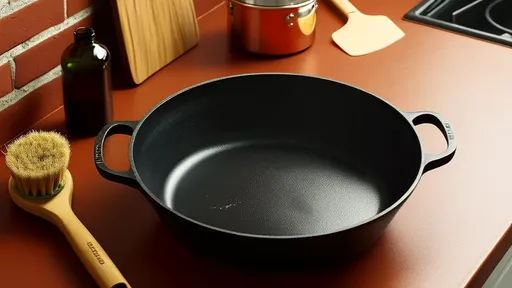
The art of seasoning and maintaining a cast iron wok or skillet transcends mere cooking technique; it represents a philosophy of care, patience, and respect for the tools that nourish us. This practice, often referred to as "wok hay" or the spirit of the wok in Chinese culinary culture, is not just about creating non-stick surfaces but about building a relationship with your cookware.
At its core, the method is deceptively simple: after cooking, especially after stir-frying or sautéing, the warm wok is meticulously cleaned without soap, dried thoroughly, and then a thin layer of oil is applied before the vessel is heated gently to bond the oil to the iron. This process, repeated over time, gradually builds up a polymerized layer of oil that becomes the non-stick surface, a patina known as the seasoning. It is this very seasoning that is the soul of a well-loved wok, transforming it from a mere piece of metal into a trusted kitchen companion.
The science behind this transformation is as fascinating as the tradition itself. When oil is heated on the iron surface, it undergoes a process called polymerization. The fatty acids in the oil break down and then cross-link, forming a hard, slick coating that is bonded to the metal. This layer is not a temporary fix but a durable, natural non-stick surface that improves with each use. Unlike synthetic non-stick coatings found on modern pans, which can degrade and potentially release harmful chemicals over high heat, this seasoned layer is entirely organic and safe, becoming more resilient with proper care.
Choosing the right oil is a critical first step in this journey. Oils with a high smoke point, such as flaxseed oil, grapeseed oil, or even refined avocado oil, are often recommended. The high smoke point means the oil can be heated to a temperature sufficient for polymerization without burning or smoking excessively, which could lead to a sticky or uneven coating. Each type of oil imparts its own subtle characteristics to the seasoning, with some enthusiasts swearing by the hard finish of flaxseed, while others prefer the neutral profile of grapeseed.
The initial seasoning process, often called the "boot camp" for a new wok, is a ritual in itself. A brand-new cast iron wok usually comes from the factory with a protective coating of wax or oil to prevent rust during shipping. This must be scrubbed off aggressively with soap and hot water—one of the few times soap is permitted in the life of a well-seasoned wok. Once stripped bare, the wok is dried completely over heat to ensure no moisture remains, as water is the enemy of iron, leading swiftly to rust.
With the wok dry and warm, a very small amount of oil is applied with a paper towel or cloth, coating the entire interior surface in a thin, almost invisible layer. The key word here is thin. Too much oil will result in a sticky, blotchy coating rather than the desired hard, slick patina. The wok is then placed over low to medium heat, or inverted in an oven if one is being used, and heated for a period of time, allowing the oil to smoke slightly and polymerize. This process is repeated several times, sometimes over the course of a day, to build a strong foundational layer.
But the journey doesn't end after the initial seasoning. The true art lies in the daily maintenance, the after-care following each use. After cooking, food residue is scrubbed out, often with just hot water and a stiff brush or a chainmail scrubber designed for cast iron. Abrasive scouring pads or soap are typically avoided as they can strip away the delicate layers of seasoning that have been built up. Once clean, the wok is returned to the stove to evaporate every last drop of water.
While it is still warm from drying, a minute amount of fresh oil is wiped onto the cooking surface. This post-cleaning oiling is a preventative measure, a tiny offering to the gods of cast iron to protect against humidity and potential rust spots. Some practitioners take it a step further, giving the wok a brief warm-up after oiling to just below the smoke point, further reinforcing the seasoning before storing it away. This act of care, performed consistently, is what leads to a jet-black, mirror-smooth, incredibly non-stick surface that is the envy of any cook.
The benefits of a properly seasoned wok extend far beyond its non-stick properties. It becomes a superior conductor of heat, allowing for the high-heat searing and quick cooking that is essential to many cuisines, particularly stir-fries. It also adds a depth of flavor, a certain umami essence that cannot be replicated in a new or non-stick pan. This is the concept of "wok hei," the breath of the wok, a complex flavor imparted by the rapid caramelization and slight smoking of oils and sauces against the intensely hot, seasoned surface.
However, this path is not without its potential pitfalls. Mistakes are common, especially for beginners. Using too much oil during the seasoning process is perhaps the most frequent error, leading to a tacky or sticky surface that attracts dust and food particles rather than repelling them. Another common issue is overheating an empty wok, which can crack the seasoning layer or even damage the iron itself. Furthermore, cooking certain acidic foods, like tomatoes or wine-based sauces, in a newly seasoned wok can break down the delicate polymerized layer, requiring a re-seasoning afterwards.
Rust is the perennial foe of cast iron. If the protective oil layer is compromised—perhaps from scrubbing too hard, leaving it wet, or storing it in a damp place—the iron will quickly oxidize. Discovering a patch of rust can be disheartening, but it is not a death sentence for the wok. The affected area can be scrubbed with steel wool or a scouring pad to remove all traces of rust, and then the entire process of drying, oiling, and heating must be repeated to re-establish the seasoning over that spot, seamlessly integrating it back into the whole.
Beyond the practicalities, the act of seasoning and maintaining a wok fosters a mindful connection to cooking. In a world of disposable goods and Teflon pans that are replaced every few years, the cast iron wok is a testament to longevity and sustainability. With proper care, it can last a lifetime, even becoming an heirloom passed down through families. The ritual of cleaning, drying, and oiling becomes a meditative practice, a moment of quiet focus at the end of a meal that honors the tool that helped create it.
This tradition, while deeply rooted in Asian culinary history, has found a passionate following across the globe. From professional chefs in high-end restaurants to home cooks seeking a more authentic and healthy cooking experience, people are rediscovering the profound satisfaction of building and maintaining a perfect seasoning. Online forums and communities are filled with enthusiasts sharing photos of their prized cookware, discussing the merits of different oils, and troubleshooting problems, creating a modern digital tapestry around an ancient practice.
Ultimately, the process of transforming a raw iron wok into a non-stick powerhouse through repeated oiling and heating is more than just a kitchen hack. It is a craft. It demands patience, attention, and a willingness to learn from mistakes. The reward is not merely a pan that food slides effortlessly out of, but a cooking instrument that feels alive, that has history and character, and that consistently delivers food with a flavor and texture that is simply unachievable by any other means. It is a beautiful synergy of science, tradition, and culinary art, a testament to the idea that the best things in life—and in the kitchen—are worth building slowly, layer by careful layer.
In the bustling night markets of Chaoshan, amid the sizzle of woks and the aromatic steam of freshly cooked delicacies, one culinary marvel consistently draws crowds—the hand-pounded beef ball. These are not your average meatballs.
They possess a springy, almost magical texture that seems to defy the ordinary laws of food physics. For generations, the secret to their legendary bounce has been whispered among master chefs: it’s all in the pounding. But for how long? Recent investigations into this traditional craft have pointed to a fascinating and precise answer.
The art of making Chaoshan beef balls is a labor of love and immense physical effort, a tradition passed down through families and skilled artisans. The process begins with the selection of the finest cuts of beef, typically from the hind leg, prized for its lean and sinewy quality. The meat is meticulously trimmed of all fat and fascia, leaving behind pure muscle fiber. This is the foundational canvas upon which the texture is built. It is then placed on a thick, solid tree stump or a large wooden block, and the rhythmic, thunderous pounding begins. Using specially designed heavy metal rods, the chef relentlessly hammers the meat, transforming its structure entirely. This isn’t mere chopping or grinding; it’s a process of physical alchemy.
For decades, the exact duration of this pounding was considered an intuitive skill, a feeling passed from a master’s hands to their apprentice. Some said 30 minutes, others swore by an hour. The lack of standardization meant the quality could vary significantly from one vendor to another. To demystify this culinary secret, a group of food scientists and culinary experts recently undertook a systematic study. They prepared multiple batches of beef paste, each subjected to a different pounding duration under controlled conditions. The key metric for evaluation was elasticity, measured scientifically through texture profile analysis, which quantifies parameters like springiness and chewiness.
The results of the tests were striking and conclusive. Batches pounded for shorter periods, say 20 or 30 minutes, showed improvement over simply ground meat, but they were lackluster. They were softer, more crumbly, and lacked the signature "bounce back" that defines a premium beef ball. The muscle fibers and proteins had not been sufficiently broken down and realigned. As the pounding time increased, the texture dramatically improved. The proteins, primarily myosin and actin, were being physically unraveled and whipped into a sticky, dense paste. This paste acts as a protein gel that can trap tiny air pockets and moisture, the fundamental structure responsible for elasticity.
The pivotal finding was that the magic number emerged at the 40-minute mark. At this precise duration, the beef paste reached its optimal state. The analysis showed a perfect harmony of firmness and springiness. When cooked, these 40-minute beef balls exhibited an unparalleled texture—firm to the touch yet yielding with a satisfying snap, and then bouncing back almost completely. They were juicy, as the pounded protein network excellently retained the meat's natural juices and any added seasonings. This wasn't just a minor improvement; it was the definitive peak of texture perfection.
Why is 40 minutes the sweet spot? The science lies in the complete mechanical denaturation of the meat proteins. The relentless pounding for this specific period thoroughly breaks the cross-links within the muscle fibers without overheating the meat (which would cause protein coagulation and a tough, rubbery texture). It aligns the protein strands into a strong, continuous network. Pounding beyond this point, towards 50 or 60 minutes, led to diminishing returns. The paste began to warm excessively from the friction, and the over-worked protein network started to break down, resulting in a paste that was tougher but paradoxically less springy and more rubbery—a clear sign of over-processing.
This discovery has profound implications for both preserving tradition and guiding modern production. For the street vendors and family-run shops that are the guardians of this craft, it provides a clear, measurable benchmark to ensure consistent, top-tier quality, moving beyond guesswork. It validates the wisdom of the most respected masters. For larger-scale producers who wish to replicate this artisanal quality, it offers a critical parameter for mechanized pounding processes. They can now calibrate their machines to mimic the exact optimal physical action and duration, ensuring every beef ball that comes off their line has the authentic, legendary bounce of the best hand-made versions.
The humble beef ball is more than just a snack; it is a testament to the power of technique and patience in cooking. The conclusion that 40 minutes of relentless pounding is the key to its supreme elasticity is a beautiful intersection of ancient culinary wisdom and modern scientific validation. It underscores that in our rush for efficiency, some traditions cannot be rushed. The perfect bounce, it turns out, is earned with every single strike of the rod, a precise symphony of force and time that transforms simple meat into a textural phenomenon.
By /Aug 20, 2025
By /Aug 20, 2025
By /Aug 20, 2025
By /Aug 20, 2025
By /Aug 20, 2025
By /Aug 20, 2025
By /Aug 20, 2025
By /Aug 20, 2025
