In the quiet corners of every kitchen, a silent battle unfolds daily. It’s a fight against unseen invaders—bacteria, lingering odors, and the gradual wear of one of our most humble yet essential tools: the cutting board.
Whether it’s a sturdy wooden slab passed down through generations or a modern plastic variant, this kitchen workhorse endures countless chops, slices, and dices, absorbing juices, flavors, and, unfortunately, germs. Over time, even the most diligent scrubbing can fall short, leaving behind stubborn smells and potential health risks. But what if the solution to restoring its purity and extending its life was already sitting in your pantry, waiting for its moment in the sun?
Enter white vinegar and sunlight—a dynamic, natural duo that has been trusted for centuries in households worldwide. This isn’t some complex, chemical-laden regimen; it’s a return to simplicity, harnessing the power of nature to tackle kitchen hygiene. White vinegar, with its sharp, acidic tang, is more than just a salad dressing staple. It’s a potent antimicrobial agent, capable of breaking down grime and neutralizing odors without the harshness of synthetic disinfectants. And sunlight? It’s the original sanitizer, beaming down with ultraviolet rays that microbes simply can’t withstand. Together, they form a powerful, eco-friendly alliance that doesn’t just clean your cutting board—it revitalizes it.
Let’s start with the star of the show: white vinegar. Its magic lies in its acidity, primarily due to acetic acid, which typically makes up about 5-8% of its composition. This acidity is a formidable foe against common kitchen bacteria like E. coli, Salmonella, and Staphylococcus. When you spray or wipe white vinegar onto a cutting board surface, it penetrates microscopic crevices, disrupting the cell membranes of bacteria and effectively killing them. It’s a process that’s both gentle on your board and tough on germs. Unlike bleach or strong chemical cleaners, vinegar doesn’t leave behind toxic residues that could contaminate your food or damage the board’s material. Plus, it’s a champion at combating odors. Those persistent smells from garlic, onions, or fish? Vinegar neutralizes them by breaking down the alkaline compounds responsible, rather than just masking them with perfumes.
But vinegar alone isn’t the whole story. After its application, the cutting board needs its partner: the sun. Sunlight, particularly its ultraviolet (UV) component, is a natural disinfectant. UV rays damage the DNA and RNA of microorganisms, rendering them unable to reproduce or survive. This isn’t just folk wisdom; science backs it up. Studies have shown that UV radiation can significantly reduce microbial populations on surfaces. By placing your vinegar-treated board outside in direct sunlight, you’re giving it a one-two punch: first, the vinegar weakens and kills a portion of the bacteria and eliminates odors, then the UV rays finish the job, sterilizing the surface and ensuring any remaining pathogens are destroyed. The heat from the sun also helps to evaporate any residual moisture, which is crucial because dampness is a breeding ground for mold and mildew.
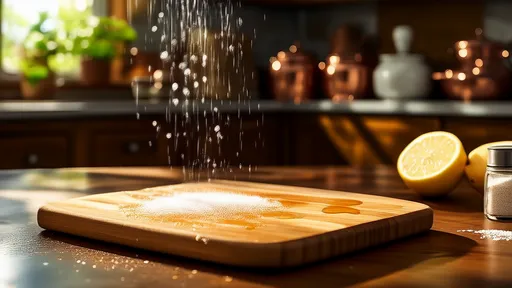
The process itself is beautifully straightforward. Begin by giving your cutting board a good rinse with warm water to remove any loose food particles. If there are stubborn stains or residues, a light scrub with a brush or sponge is advisable. Next, grab a spray bottle filled with undiluted white vinegar. Generously spritz the entire surface of the board, ensuring every inch is coated. Don’t forget the edges and handles, as these often harbor hidden germs. Let the vinegar sit for about 5-10 minutes; this dwell time allows the acid to work its antimicrobial magic. Then, without rinsing it off, take the board outside and place it in a spot where it will receive direct sunlight. Ideally, leave it for at least 2-3 hours, though longer exposure on a bright day will only enhance the effect. The combination of the vinegar and UV rays will work synergistically, leaving your board not just clean, but sanitized and refreshed.
Why does this method stand out compared to others? For one, it’s incredibly cost-effective. A bottle of white vinegar is inexpensive and has a long shelf life, making it a budget-friendly alternative to specialized cleaners. It’s also versatile; this same technique can be applied to other kitchen items like utensils, countertops, or even sinks. Environmentally, it’s a win. Vinegar is biodegradable and non-toxic, so you’re not introducing harmful chemicals into your home or the ecosystem. And for those with sensitivities or allergies, it’s a gentle option that avoids the harsh fumes and irritants found in many commercial products.
Moreover, this method is particularly kind to wooden cutting boards. Wood is porous, and harsh chemicals can break down its fibers over time, leading to cracking or warping. Vinegar, being mild, cleans effectively without causing damage. The sun’s drying action helps to pull moisture from deep within the wood, preventing swelling and rot. For plastic boards, while they are less porous, bacteria can still hide in knife scars. The vinegar-sunlight combo penetrates these tiny grooves, ensuring a thorough clean that scrubbing alone might miss.
Of course, it’s important to note that this method is a maintenance routine, not a replacement for proper washing with soap and water after each use. Think of it as a weekly or monthly deep-clean ritual to keep your board in peak condition. Also, be mindful of prolonged sun exposure for certain materials; while a few hours won’t harm most boards, leaving them out for days might cause fading or drying in some cases. Always check manufacturer guidelines if unsure.
In a world increasingly concerned with health and sustainability, turning to natural solutions like white vinegar and sunlight feels both wise and reassuring. It connects us to traditional practices that are effective, safe, and in harmony with nature. So the next time your cutting board tells tales of many meals past, remember: a simple spray and a sunny afternoon are all it takes to give it a new lease on life, ensuring it remains a trusted companion in your culinary adventures for years to come.
In the bustling streets of modern cities, a curious ritual unfolds daily behind the counters of trendy beverage shops. The sharp, rhythmic thud of a wooden pestle striking against ice and citrus flesh echoes, a percussive prelude to one of summer's most beloved refreshments: hand-pounded lemon tea.
This isn't mere preparation; it's a performance, a physical alchemy where brute force is applied with surprising precision. The magic number whispered among artisans is thirty—a specific, almost sacred count of strikes believed to unlock the tea's full potential. But what is the science behind this seemingly arbitrary number? Why thirty, and not twenty-five or thirty-five? The answer lies at the fascinating intersection of food chemistry, sensory perception, and an age-old pursuit of flavor.
The core ingredient, the lemon, is a marvel of natural engineering. Its vibrant yellow hide protects a cellular structure brimming with aromatic oils and sharp, acidic juice. These coveted compounds are stored in specialized sacs and glands within the rind and the pulp. Simply squeezing the fruit releases the free-flowing juice, but it largely leaves the essence trapped in the zest—the colorful outer skin—untouched. This essence is composed of volatile organic compounds like limonene, citral, and pinene, which are responsible for that bright, unmistakable citrus aroma. To free them, the cell walls must be ruptured. This is where the pounding comes in.
The act of pounding is fundamentally different from cutting, blending, or pressing. A blade slices through cells, often shearing them cleanly, which can lead to a rapid but uncontrolled release of compounds. Blending macerates everything into a homogeneous pulp, potentially mixing bitter elements from the pith (the white spongy layer) with the desired flavors. Pressing applies steady, compressive force, excellent for juice yield but again, less effective on the sturdy oil glands in the peel. Pounding, however, is a form of targeted, percussive force. The blunt impact of the pestle creates micro-fractures and bursts cells open through shockwaves, a more thorough and explosive liberation of the contents within.
This process of physical agitation directly influences the chemistry of the beverage. The violent shaking and breaking action emulsifies the released citrus oils with the tea base. Oils and water famously do not mix, but the vigorous pounding creates a temporary, unstable emulsion—a suspension of tiny oil droplets throughout the liquid. This dramatically increases the surface area of the oil, making it far more available to evaporate and reach our olfactory receptors. Furthermore, the action aerates the mixture, incorporating tiny oxygen bubbles that can carry aromatic molecules upward. The result is a drink where the aroma is not just a footnote but a leading character, bursting from the glass before it even touches the lips.
This brings us to the pivotal concept of the aroma activation threshold. In sensory science, a threshold is the minimum concentration of a compound needed for it to be detected by the human senses. The aroma activation threshold is the point at which the concentration of these volatile compounds becomes high enough to create a powerful, impactful, and complex olfactory experience. It's the difference between a faint whiff of lemon and a full-bodied aromatic bouquet that defines the drink. It's not merely about being detectable; it's about being dominant and delightful.
Through extensive experimentation—a mix of traditional trial and error and modern gastronomic research—craftspeople discovered that the number of strikes profoundly affects the concentration of these aromatic compounds in the final brew. Fewer strikes, say fifteen or twenty, yield a milder aroma. The cell rupture is incomplete; many oil sacs remain intact. The aroma is present but lacks depth and intensity, failing to cross that critical threshold to become the star of the show. The tea might taste fine, but it will lack the captivating scent that makes the drink so irresistible.
Conversely, over-pounding—exceeding that magic number significantly, perhaps reaching forty or fifty strikes—introduits a new problem: bitterness. The lemon rind contains not only beautiful aromatic oils but also bitter flavonoids like limonin and nomilin. The pith is particularly abundant in these unpleasant-tasting compounds. The initial strikes effectively release the oils from the outermost layers of the zest. However, continued pounding begins to pulverize the rind deeper, aggressively breaking down the white pith and releasing these bitter agents into the mixture. The resulting drink can have an overpowering, harsh bitterness that clashes with and overwhelms the sweet and sour notes, ruining the delicate balance. The aroma might be strong, but it's accompanied by an undesirable and astringent taste.
Thus, thirty strikes emerges not as a random superstition, but as an empirically derived sweet spot. It represents the optimal amount of mechanical energy input required to achieve maximum beneficial cell rupture with minimal detrimental breakdown. It is the point of equilibrium where the concentration of aromatic volatile compounds crosses the activation threshold, creating a potent and fragrant profile, while the release of bitter compounds is kept below our perceptual threshold, ensuring they remain unnoticed. It is the recipe for harmony in a cup.
The tools themselves play a crucial role in this delicate operation. The traditional wooden pestle and a sturdy, thick-walled container are not arbitrary choices. Wood is preferred over metal for its slight porosity and give; it absorbs some impact, preventing it from being too harsh and crushing the ingredients into a bitter paste. The container, often made of stoneware or thick glass, is designed to withstand the force without cracking and to keep the ingredients contained as they are being vigorously agitated. The size and shape of the ice are also critical. Large, solid ice cubes provide a hard, cold surface against which the lemon pieces are smashed, aiding in cell rupture. They also melt more slowly, preventing excessive dilution during the pounding process, which would weaken the flavor and aroma concentration.
Beyond the laboratory-like precision, the thirty-strike method holds a deeper cultural and psychological significance. In an era of automated, push-button convenience, the act of hand-pounding is a conscious embrace of craftsmanship. The sound and sight of the drink being made create a multisensory experience and a sense of anticipation for the customer. It signals that care, effort, and a specific expertise are being invested in the creation of their beverage. This ritual enhances the perceived value and quality of the drink, making the final product not just a thirst-quencher but a small luxury. It connects the consumer to a tradition of manual skill in a way that a silent, whirring blender never could.
While thirty has been canonized as the ideal number, it is important to note that it is a guideline rather than an absolute, immutable law. Minor variations exist. Some masters might argue for twenty-eight strikes for a slightly more subtle profile, or thirty-two for a more robust one, adjusting for the specific size and variety of lemon used. A particularly thick-skinned Eureka lemon might require a more vigorous approach than a thin-skinned Meyer lemon. The true skill of the artisan lies in understanding these variables—reading the fruit, feeling the resistance through the pestle, and knowing precisely when to stop to hit that sensory peak. It is a dance between force and finesse.
In conclusion, the secret behind the perfect hand-pounded lemon tea is a beautiful synthesis of brute force and biochemical nuance. The thirty strikes are a meticulously calibrated technique designed to navigate the narrow path between aromatic bliss and bitter disappointment. It is a process that mechanically manipulates the lemon's cellular structure to unleash a cascade of volatile compounds, pushing their concentration just over the sensory threshold that defines an exceptional drink. This practice elevates a simple combination of tea, lemon, and sugar from a mere mixture to a crafted experience, proving that sometimes, the path to the most refined flavors is struck, quite literally, with repeated force.
By /Aug 20, 2025

By /Aug 20, 2025

By /Aug 20, 2025
By /Aug 20, 2025

By /Aug 20, 2025

By /Aug 20, 2025

By /Aug 20, 2025
By /Aug 20, 2025
