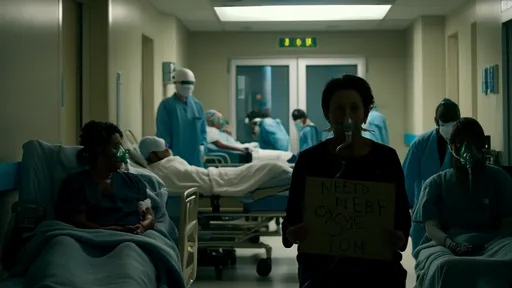
In the sterile corridors of hospitals and the quiet desperation of homes, a silent battle is being waged. It's a fight for the most fundamental human need: breath.
Across the globe, patients with chronic respiratory conditions are raising their voices, demanding what many take for granted—reliable access to medical oxygen. Their stories form a tapestry of struggle, resilience, and an urgent call for systemic reform that can no longer be ignored.
The COVID-19 pandemic brought the critical importance of medical oxygen into sharp, terrifying focus. Hospitals in wealthy nations scrambled to secure supplies as ICUs filled with patients struggling to breathe. But in low and middle-income countries, the situation reached catastrophic proportions. Images of people carrying empty oxygen cylinders through crowded streets became symbols of a broken system. What the world witnessed during those crisis years was not a new problem, but rather the dramatic exposure of a long-standing failure in global healthcare infrastructure. The pandemic merely pulled back the curtain on an issue that patients with conditions like COPD, pulmonary fibrosis, and severe asthma have faced for decades.
Behind the statistics are human beings whose daily lives are measured in breaths. Maria Gonzalez, a 68-year-old grandmother from Lima, describes her reality with stark clarity. "Every morning, I calculate how many steps I can take from my bed to the kitchen," she explains through a translator. "Not because my legs are weak, but because each movement costs me oxygen. I have to choose between making breakfast or having enough energy to speak with my grandchildren later." Maria suffers from chronic obstructive pulmonary disease, a condition that has progressively damaged her lungs over fifteen years. Her government-provided oxygen concentrator broke six months ago, and the replacement process has been trapped in bureaucratic limbo ever since.
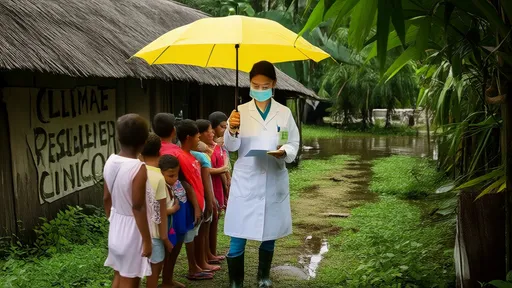
In rural India, Sunil Patel navigates a different set of challenges. The nearest medical oxygen refill station is thirty kilometers from his village, a journey that becomes nearly impossible during monsoon season when roads wash out. His family has learned to ration oxygen, turning the flow rate down to minimal levels even when his oxygen saturation drops dangerously low. "We know it's not the right way," his daughter confesses, "but when the choice is between having some oxygen tomorrow or none at all, you learn to make compromises with safety." These compromises have consequences—Sunil has been hospitalized three times this year for complications that doctors say could have been prevented with consistent, adequate oxygen therapy.
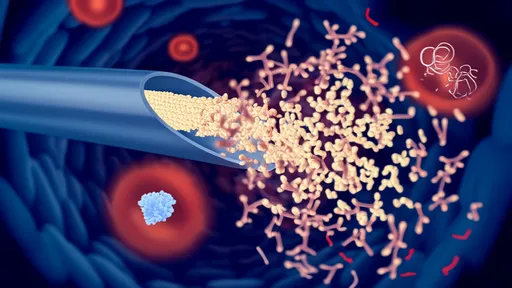
The technological solutions for oxygen production and delivery are not particularly complex or new. Pressure Swing Adsorption plants can generate medical-grade oxygen from ambient air, concentrators can purify oxygen for individual use, and cylinders can transport oxygen to remote areas. The barriers are not scientific but systemic—a tangled web of economic, logistical, and political failures that have persisted for generations. In many developing nations, oxygen production remains centralized in urban areas, creating distribution nightmares for rural populations. Maintenance networks for medical equipment are sparse or nonexistent, meaning that a single broken part can render an entire oxygen system useless for months.
Economic disparities create what advocates call "oxygen apartheid." In wealthy nations, medical oxygen is considered essential infrastructure, as fundamental as electricity or clean water. But in poorer countries, it often becomes an out-of-pocket expense that pushes families into poverty. A study conducted across twelve African nations found that families of COVID-19 patients spent an average of fifty-five percent of their monthly household income on oxygen alone. When oxygen becomes a luxury commodity, the very architecture of healthcare equity collapses.
The human cost of these failures is measured in preventable deaths and diminished lives. The World Health Organization estimates that pneumonia alone kills over 800,000 children annually, with oxygen deprivation contributing significantly to these mortality rates. For every death, countless more patients experience permanent organ damage from prolonged oxygen deprivation or live with severely restricted quality of life. These are not abstract statistics but collections of individual tragedies—the father who can no longer work, the child who cannot play, the grandmother who misses family gatherings because she cannot travel without oxygen support.
Patient advocacy groups are emerging as powerful forces for change, transforming personal suffering into collective action. Organizations like the COPD Foundation and local grassroots movements are documenting patient experiences, lobbying governments, and creating peer support networks. Their demands are specific and actionable: integrate oxygen systems into primary healthcare, train community health workers in oxygen therapy, establish maintenance protocols for equipment, and regulate pricing to prevent exploitation. In Kenya, a coalition of patient groups successfully pressured the government to include medical oxygen in the national essential medicines list, a crucial first step toward making it accessible to all who need it.
Technology innovators are responding with solutions designed for challenging environments. Startups are developing solar-powered oxygen concentrators that can function during frequent power outages. Engineers are creating robust, easy-to-maintain equipment that can withstand dust, humidity, and rough transportation. Mobile applications now help patients locate oxygen suppliers, track their usage, and connect with healthcare providers. These innovations hold promise, but advocates caution that technology alone cannot solve what is fundamentally a political and moral problem.
The global health community is beginning to acknowledge oxygen as a specific priority rather than a peripheral concern. The WHO's Technical Specifications for Oxygen Concentrators and the establishment of the Global Oxygen Alliance represent important institutional steps. However, the transition from policy documents to functioning systems requires sustained funding, political will, and most importantly, continued pressure from those directly affected. As one advocate from Uganda put it: "They need to stop seeing oxygen as just another medical supply and start seeing it as a human right. You cannot have health without breath."
Perhaps the most profound shift occurring is in how patients themselves perceive their place in the healthcare ecosystem. Where once there was resignation, now there is growing insistence on participation in the decisions that affect their lives. Patients are no longer passive recipients of care but experts in their own conditions, valuable resources in designing systems that actually work for the people who depend on them. They understand the practical realities of oxygen therapy in ways that policymakers and even many healthcare providers cannot—the terror of watching the cylinder gauge approach empty, the calculation of whether to use oxygen for cooking or for sleeping, the shame of having to choose between breath and other basic necessities.
The battle for breath continues on multiple fronts—in government offices where budget allocations are decided, in communities where support networks are built, in homes where patients make daily calculations about their survival. The chorus of voices calling for oxygen reform grows louder each day, weaving together stories from every continent and economic circumstance. They remind us that the ability to breathe comfortably should not be a privilege determined by geography or wealth, but a fundamental dimension of human dignity. As this movement gains momentum, it challenges us to envision a world where no one must fight for breath, where oxygen is as reliably available as the air itself.
In the quiet corners of home kitchens and the bustling environments of professional restaurants, a culinary tradition has persisted through generations, whispered from one cook to another like a cherished family secret.
The art of seasoning and maintaining a cast iron wok or skillet transcends mere cooking technique; it represents a philosophy of care, patience, and respect for the tools that nourish us. This practice, often referred to as "wok hay" or the spirit of the wok in Chinese culinary culture, is not just about creating non-stick surfaces but about building a relationship with your cookware.
At its core, the method is deceptively simple: after cooking, especially after stir-frying or sautéing, the warm wok is meticulously cleaned without soap, dried thoroughly, and then a thin layer of oil is applied before the vessel is heated gently to bond the oil to the iron. This process, repeated over time, gradually builds up a polymerized layer of oil that becomes the non-stick surface, a patina known as the seasoning. It is this very seasoning that is the soul of a well-loved wok, transforming it from a mere piece of metal into a trusted kitchen companion.
The science behind this transformation is as fascinating as the tradition itself. When oil is heated on the iron surface, it undergoes a process called polymerization. The fatty acids in the oil break down and then cross-link, forming a hard, slick coating that is bonded to the metal. This layer is not a temporary fix but a durable, natural non-stick surface that improves with each use. Unlike synthetic non-stick coatings found on modern pans, which can degrade and potentially release harmful chemicals over high heat, this seasoned layer is entirely organic and safe, becoming more resilient with proper care.
Choosing the right oil is a critical first step in this journey. Oils with a high smoke point, such as flaxseed oil, grapeseed oil, or even refined avocado oil, are often recommended. The high smoke point means the oil can be heated to a temperature sufficient for polymerization without burning or smoking excessively, which could lead to a sticky or uneven coating. Each type of oil imparts its own subtle characteristics to the seasoning, with some enthusiasts swearing by the hard finish of flaxseed, while others prefer the neutral profile of grapeseed.
The initial seasoning process, often called the "boot camp" for a new wok, is a ritual in itself. A brand-new cast iron wok usually comes from the factory with a protective coating of wax or oil to prevent rust during shipping. This must be scrubbed off aggressively with soap and hot water—one of the few times soap is permitted in the life of a well-seasoned wok. Once stripped bare, the wok is dried completely over heat to ensure no moisture remains, as water is the enemy of iron, leading swiftly to rust.
With the wok dry and warm, a very small amount of oil is applied with a paper towel or cloth, coating the entire interior surface in a thin, almost invisible layer. The key word here is thin. Too much oil will result in a sticky, blotchy coating rather than the desired hard, slick patina. The wok is then placed over low to medium heat, or inverted in an oven if one is being used, and heated for a period of time, allowing the oil to smoke slightly and polymerize. This process is repeated several times, sometimes over the course of a day, to build a strong foundational layer.
But the journey doesn't end after the initial seasoning. The true art lies in the daily maintenance, the after-care following each use. After cooking, food residue is scrubbed out, often with just hot water and a stiff brush or a chainmail scrubber designed for cast iron. Abrasive scouring pads or soap are typically avoided as they can strip away the delicate layers of seasoning that have been built up. Once clean, the wok is returned to the stove to evaporate every last drop of water.
While it is still warm from drying, a minute amount of fresh oil is wiped onto the cooking surface. This post-cleaning oiling is a preventative measure, a tiny offering to the gods of cast iron to protect against humidity and potential rust spots. Some practitioners take it a step further, giving the wok a brief warm-up after oiling to just below the smoke point, further reinforcing the seasoning before storing it away. This act of care, performed consistently, is what leads to a jet-black, mirror-smooth, incredibly non-stick surface that is the envy of any cook.
The benefits of a properly seasoned wok extend far beyond its non-stick properties. It becomes a superior conductor of heat, allowing for the high-heat searing and quick cooking that is essential to many cuisines, particularly stir-fries. It also adds a depth of flavor, a certain umami essence that cannot be replicated in a new or non-stick pan. This is the concept of "wok hei," the breath of the wok, a complex flavor imparted by the rapid caramelization and slight smoking of oils and sauces against the intensely hot, seasoned surface.
However, this path is not without its potential pitfalls. Mistakes are common, especially for beginners. Using too much oil during the seasoning process is perhaps the most frequent error, leading to a tacky or sticky surface that attracts dust and food particles rather than repelling them. Another common issue is overheating an empty wok, which can crack the seasoning layer or even damage the iron itself. Furthermore, cooking certain acidic foods, like tomatoes or wine-based sauces, in a newly seasoned wok can break down the delicate polymerized layer, requiring a re-seasoning afterwards.
Rust is the perennial foe of cast iron. If the protective oil layer is compromised—perhaps from scrubbing too hard, leaving it wet, or storing it in a damp place—the iron will quickly oxidize. Discovering a patch of rust can be disheartening, but it is not a death sentence for the wok. The affected area can be scrubbed with steel wool or a scouring pad to remove all traces of rust, and then the entire process of drying, oiling, and heating must be repeated to re-establish the seasoning over that spot, seamlessly integrating it back into the whole.
Beyond the practicalities, the act of seasoning and maintaining a wok fosters a mindful connection to cooking. In a world of disposable goods and Teflon pans that are replaced every few years, the cast iron wok is a testament to longevity and sustainability. With proper care, it can last a lifetime, even becoming an heirloom passed down through families. The ritual of cleaning, drying, and oiling becomes a meditative practice, a moment of quiet focus at the end of a meal that honors the tool that helped create it.
This tradition, while deeply rooted in Asian culinary history, has found a passionate following across the globe. From professional chefs in high-end restaurants to home cooks seeking a more authentic and healthy cooking experience, people are rediscovering the profound satisfaction of building and maintaining a perfect seasoning. Online forums and communities are filled with enthusiasts sharing photos of their prized cookware, discussing the merits of different oils, and troubleshooting problems, creating a modern digital tapestry around an ancient practice.
Ultimately, the process of transforming a raw iron wok into a non-stick powerhouse through repeated oiling and heating is more than just a kitchen hack. It is a craft. It demands patience, attention, and a willingness to learn from mistakes. The reward is not merely a pan that food slides effortlessly out of, but a cooking instrument that feels alive, that has history and character, and that consistently delivers food with a flavor and texture that is simply unachievable by any other means. It is a beautiful synergy of science, tradition, and culinary art, a testament to the idea that the best things in life—and in the kitchen—are worth building slowly, layer by careful layer.

By /Oct 14, 2025
By /Oct 13, 2025

By /Oct 13, 2025

By /Oct 14, 2025

By /Oct 13, 2025
By /Oct 14, 2025
By /Oct 14, 2025

By Grace Cox/Oct 13, 2025
