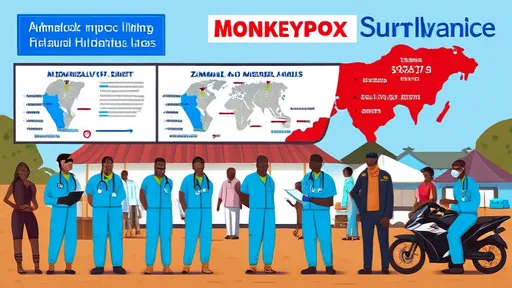
The Zambian health authorities have confirmed a total of 285 cumulative cases of monkeypox across the country, marking a significant public health challenge for the southern African nation.
This development comes amid growing concerns about the spread of the viral disease beyond its traditional endemic areas, with Zambia now joining several other African countries grappling with outbreaks. The rising case numbers have prompted health officials to implement enhanced surveillance and containment measures while working to educate the public about prevention strategies.
Health Minister Sylvia Masebo provided the updated figures during a press briefing in Lusaka, noting that cases have been detected in multiple provinces with the highest concentration reported in urban centers. The minister emphasized that while the situation requires serious attention, the government has the situation under control with adequate medical supplies and trained personnel deployed to affected areas. She acknowledged that the 285 cases represent both active infections and recovered patients, with the majority falling into the latter category.
The first cases in the current outbreak were identified approximately three months ago, beginning as isolated incidents that have since evolved into a more widespread transmission pattern. Epidemiologists tracking the outbreak have observed that the initial cases appeared predominantly among individuals with recent travel history to neighboring countries where monkeypox is endemic. However, recent weeks have seen an increase in local transmission, suggesting established community spread in certain regions.
Monkeypox, a viral zoonotic disease, presents with symptoms similar to smallpox though clinically less severe. The incubation period typically ranges from 5 to 21 days, with initial symptoms including fever, intense headache, lymph node swelling, back pain, muscle aches, and lack of energy. This initial phase is followed by skin eruptions that tend to be more concentrated on the face and extremities rather than the trunk. The rash evolves sequentially from macules to papules, vesicles, pustules, and finally crusts which dry up and fall off.
Transmission occurs primarily through close contact with infected animals or humans, including direct contact with bodily fluids, lesion material, or respiratory droplets. Contaminated materials such as bedding can also serve as transmission vehicles. Health officials have stressed that unlike COVID-19, monkeypox requires much closer contact for transmission and does not spread as efficiently through airborne means. This characteristic has allowed for more targeted containment approaches focused on identifying and isolating cases and their close contacts.
The Zambian government has activated its national public health emergency operations center to coordinate the response across multiple ministries and international partners. Surveillance activities have been intensified at all points of entry, with thermal scanners and health declaration forms reinstated at major airports and border crossings. Health workers across the country have received specialized training on case identification, sample collection, and infection prevention and control measures.
Laboratory capacity has been significantly strengthened with support from international partners including the World Health Organization and Africa CDC. The University Teaching Hospital in Lusaka now serves as the primary testing center, with capability to process up to 100 samples daily using polymerase chain reaction technology. This enhanced diagnostic capacity has been crucial for early detection and has helped prevent further spread through prompt isolation of confirmed cases.
Treatment primarily involves supportive care and management of complications, as there are no specific medications approved exclusively for monkeypox. However, antiviral drugs developed for smallpox have shown some efficacy and are being used in severe cases. The smallpox vaccine has demonstrated approximately 85% effectiveness in preventing monkeypox, but mass vaccination is not currently recommended in Zambia due to limited global vaccine supplies and the relatively controlled nature of the outbreak.
Public health messaging has focused on debunking myths and providing accurate information about transmission risks and prevention methods. Community engagement teams have been deployed to markets, schools, and other gathering places to demonstrate proper hand hygiene and explain the importance of avoiding contact with wild animals, particularly rodents and primates which are known reservoirs of the virus. Traditional leaders have been incorporated into the response effort, leveraging their influence to promote health-seeking behaviors in rural communities.
The economic implications of the outbreak are becoming increasingly apparent, particularly in the tourism and hospitality sectors. Several international travelers have canceled planned visits to national parks and wildlife areas, fearing potential exposure. The government has moved quickly to reassure tourists that proper safeguards are in place, emphasizing that the risk to visitors remains low provided they follow recommended precautions.
International collaboration has been a cornerstone of Zambia's response strategy. The country is participating in regional information sharing platforms that allow for real-time exchange of epidemiological data and response experiences. Zambian scientists are contributing to global research efforts aimed at better understanding the genetic evolution of the monkeypox virus and its changing transmission patterns. This cooperation extends to joint border surveillance initiatives with neighboring countries to prevent cross-border transmission.
As case numbers continue to evolve, health authorities remain cautiously optimistic that the outbreak can be contained within the coming months. The relatively low mortality rate observed in the current outbreak - with no fatalities reported among the 285 cases - provides some comfort, though officials caution against complacency. Particular attention is being paid to protecting vulnerable populations including children, pregnant women, and immunocompromised individuals who may develop more severe disease.
The Zambian experience highlights broader concerns about emerging infectious diseases in a globalized world. Changes in climate patterns, increased human-animal interaction due to deforestation, and growing international travel create ideal conditions for pathogens to jump between species and cross borders. Health experts suggest that the current monkeypox outbreak should serve as yet another wake-up call for increased investment in national health security and stronger global health governance.
Looking ahead, Zambian health officials are preparing for multiple scenarios, including the possibility of case numbers increasing before they decline. Contingency plans have been developed for rapid scale-up of response measures should the situation deteriorate. These include protocols for establishing isolation centers, expanding testing capacity, and implementing more restrictive public health measures if necessary. However, authorities hope that with continued vigilance and public cooperation, such escalations can be avoided.
The World Health Organization continues to monitor the situation closely, providing technical guidance and mobilizing resources to support Zambia's response. While the organization has not recommended any travel restrictions, it advises travelers to practice enhanced hygiene measures and avoid contact with sick animals or people showing symptoms consistent with monkeypox. International health regulations emergency committees continue to assess whether the outbreak constitutes a public health emergency of international concern.
As Zambia navigates this public health challenge, the resilience of its health system is being tested once again, following the recent COVID-19 pandemic. The lessons learned from that experience have proven valuable in mounting a coordinated response to monkeypox. Health workers, many of whom are still recovering from the physical and emotional toll of the pandemic, have demonstrated remarkable dedication in confronting this new threat, working tirelessly to protect communities and prevent further spread.
The coming weeks will be critical in determining the trajectory of the outbreak. Epidemiologists are closely watching reproduction numbers and geographic spread patterns to forecast potential hotspots and allocate resources accordingly. Success will depend on sustained surveillance, rapid isolation of cases, effective contact tracing, and continued public cooperation with health measures. While the path forward remains uncertain, Zambia's proactive approach provides reason for cautious optimism in this latest public health challenge.
As the crisp autumn air settles in and leaves begin their vibrant transformation, the ancient Chinese solar term of Hanlu arrives, marking a pivotal transition in the seasonal cycle. Known as the "Cold Dew," this period around early to mid-October signals a definitive shift from the mild temperatures of early autumn to the sharper chill that precedes winter.
Beyond its poetic significance in the agricultural calendar, Hanlu carries profound implications for human health, particularly concerning the delicate systems of the cardiovascular network and respiratory pathways.
The very essence of Hanlu – the descent of cold, dew-kissed mornings – creates an environment where the human body must work harder to maintain its internal equilibrium. Traditional Chinese Medicine has long observed that during this transitional phase, the body's defensive energy, known as Wei Qi, becomes more vulnerable to external climatic pathogens, namely wind and cold. Modern medicine echoes this wisdom, noting that the physiological stress induced by sudden temperature drops can have a cascading effect on our most vital functions.
For the vast network of arteries, veins, and the tirelessly beating heart, the arrival of Hanlu is a call to heightened vigilance. When the mercury plunges, the body instinctively constricts its peripheral blood vessels, a process known as vasoconstriction. This is a natural, protective mechanism to reduce heat loss and preserve core body temperature. However, this same process increases the pressure within the circulatory system, forcing the heart to pump against greater resistance. For individuals with pre-existing conditions like hypertension or atherosclerosis, this added strain can be the proverbial straw that breaks the camel's back, potentially triggering hypertensive crises, angina, or even acute cardiovascular events like heart attacks and strokes.
The risk is further compounded by the body's complex hormonal response to cold. The secretion of catecholamines, such as adrenaline, increases, which in turn elevates heart rate and blood pressure. Furthermore, some studies suggest that blood itself may become slightly thicker and more prone to clotting in colder weather. This dangerous trifecta – increased blood pressure, a faster heart rate, and hypercoagulable blood – creates a perfect storm for thrombotic events. It is no statistical coincidence that hospitals often report a significant uptick in admissions for myocardial infarctions and cerebrovascular accidents during the late autumn and winter months.
Simultaneously, the respiratory system, our direct interface with the environment, faces its own set of challenges during the Cold Dew period. The air during Hanlu is not only colder but often drier. As we inhale, our nasal passages and airways are tasked with warming and humidifying this air before it reaches the sensitive tissues of the lungs. Cold, dry air is an irritant; it can cause the airways to constrict and can dry out the protective mucous membranes that line our respiratory tract. This drying effect impairs the cilia – microscopic hair-like structures that sweep debris and pathogens out of the lungs – making the entire system more susceptible to invasion.
This vulnerability is a welcome mat for a host of respiratory ailments. The common cold and influenza viruses find a more hospitable environment in a compromised respiratory tract. For the millions living with chronic respiratory conditions like asthma or Chronic Obstructive Pulmonary Disease (COPD), the cold air can act as a direct trigger for bronchospasm, leading to wheezing, shortness of breath, and debilitating exacerbations. The tendency for people to congregate indoors in poorly ventilated spaces as the weather turns colder only facilitates the rapid transmission of these airborne viruses, creating a cyclical problem of exposure and infection.
What makes Hanlu particularly insidious is the intricate interplay between these two bodily systems. A severe respiratory infection, such as pneumonia or a bad bout of the flu, places immense stress on the entire body. The fever, inflammation, and physiological effort required to fight the infection significantly increase the metabolic demand on the heart. For an already strained cardiovascular system, this additional burden can be enough to precipitate a cardiac event. This is why we often hear of elderly individuals, whose systems are more fragile, succumbing to heart complications in the wake of a serious respiratory illness.
Navigating the Hanlu season safely, therefore, requires a proactive and holistic strategy. The first and most fundamental line of defense is appropriate attire. The old adage of "layering" has never been more relevant. Dressing in multiple thin layers allows for better temperature regulation than a single heavy garment. It is crucial to keep the core body warm, with special attention to the neck, chest, and feet, as cooling in these areas can lead to rapid overall heat loss. A warm scarf can make a substantial difference in preventing the inhalation of sharply cold air directly into the lungs.
Diet also plays a paramount role in fortifying the body from within. This is the time to shift away from the cooling, raw foods of summer and embrace warming, nourishing meals. Think hearty soups and stews rich with root vegetables, lean proteins, and whole grains. Incorporating ingredients like ginger, garlic, and spring onions can provide natural warmth and possess antimicrobial properties. Staying well-hydrated is equally important, as it helps maintain the moisture in respiratory mucous membranes and supports optimal blood viscosity.
Moderate physical activity remains a cornerstone of health, but its practice must be adapted to the season. Strenuous outdoor exercise in the very early morning or late evening, when temperatures are at their lowest, should be reconsidered. Opt for activities during the warmer parts of the day, or move your routine indoors. Gentle exercises like Tai Chi or Qigong, deeply rooted in Chinese tradition, are exceptionally well-suited for this time of year, promoting circulation and lung capacity without overtaxing the body.
For those with known heart or lung conditions, Hanlu is a time for renewed diligence in managing their health. Adherence to prescribed medications is non-negotiable. Regular monitoring of blood pressure is advisable, and it is essential to have a clear action plan in place, developed with a healthcare provider, for what to do in case symptoms worsen. Vaccination is another critical shield; the annual influenza shot and, for eligible individuals, the pneumococcal and updated COVID-19 vaccines, are among the most effective tools for preventing severe respiratory infections and their subsequent complications.
Finally, we must not neglect the environment we inhabit. As we seal our homes against the cold, indoor air quality can deteriorate. Using a humidifier can reintroduce moisture into dry indoor air, providing relief to the respiratory system. However, vigilance against mold is also necessary, as dampness in other areas of the home can become a problem. Ensuring adequate ventilation, even for short periods during the day, is vital to dispel stagnant air and reduce the concentration of indoor pollutants and viruses.
The Hanlu season, with its delicate balance of beauty and challenge, serves as an annual reminder of our intrinsic connection to the natural world. By understanding the specific risks it presents to our cardiovascular and respiratory health and by adopting a mindful, preventative approach, we can not only safeguard our well-being but also learn to appreciate the profound wisdom embedded in these ancient seasonal markers. It is a time to slow down, to nurture the body with warmth and care, and to build the resilience needed to navigate the colder months ahead with vitality and strength.
By /Oct 14, 2025

By /Oct 13, 2025

By /Oct 14, 2025
By /Oct 13, 2025
By /Oct 13, 2025
By /Oct 13, 2025

By Amanda Phillips/Oct 13, 2025

By /Oct 13, 2025
